When a chemistry instructor or a hobbyist needs reliable, reusable glass lids for evaporating, heating, or mixing tiny sample volumes, the choice of watch glass can make or break the experiment. The YOKIVE watch glass set promises chemically durable, transparent borosilicate lids in two convenient sizes (50 mm and 90 mm). But does it live up to the hype in a busy lab or a classroom bench? Below we unpack the real‑world performance, durability, and value of these transparent lab cover lids.
Affiliate Disclosure: We may earn a commission if you purchase through links on this page, at no extra cost to you. All reviews are based on our independent, real-world testing.
Quick Verdict
Best For
- College chemistry labs that need a low‑cost, reusable cover for beakers and evaporating dishes.
- High‑school teachers looking for clear, chemically inert lids for demonstration experiments.
- DIY hobbyists who require a small inventory of 50 mm and 90 mm borosilicate watch glasses.
Not Ideal For
- Large‑scale industrial processes that demand heavy‑duty, thick‑walled glassware.
- Experiments involving aggressive fluorinated acids that exceed typical borosilicate resistance.
- Users who need a full suite of sizes beyond the two offered.
Core Strengths
- High‑grade borosilicate glass resists thermal shock up to 450 °C and most common acids/bases.
- Thin 2 mm profile provides excellent visibility while staying lightweight (2.4 oz total).
- Beveled edges reduce breakage risk during placement with tweezers or gloved hands.
Core Weaknesses
- Only two size options limit flexibility for larger vessels.
- Glass thickness, while lightweight, can chip if dropped on a hard surface.
- Lack of a built‑in rim or lip makes it easier for the lid to slip off during vigorous heating.
Key Takeaways
- Both lids are made from 2 mm thick borosilicate glass, offering reliable chemical resistance.
- Setup time from box to bench is under 2 minutes for most users.
- Transparent design gives unobstructed visual monitoring of reactions.
- Weight of 2.4 oz makes storage and transport effortless.
- Beveled edges reduce accidental chipping during handling.
- Pricing at $5.22 positions the set between budget and premium alternatives.
- Ideal for educational settings where durability and clarity are paramount.
- Not suited for high‑impact environments or corrosive fluorine chemistry.
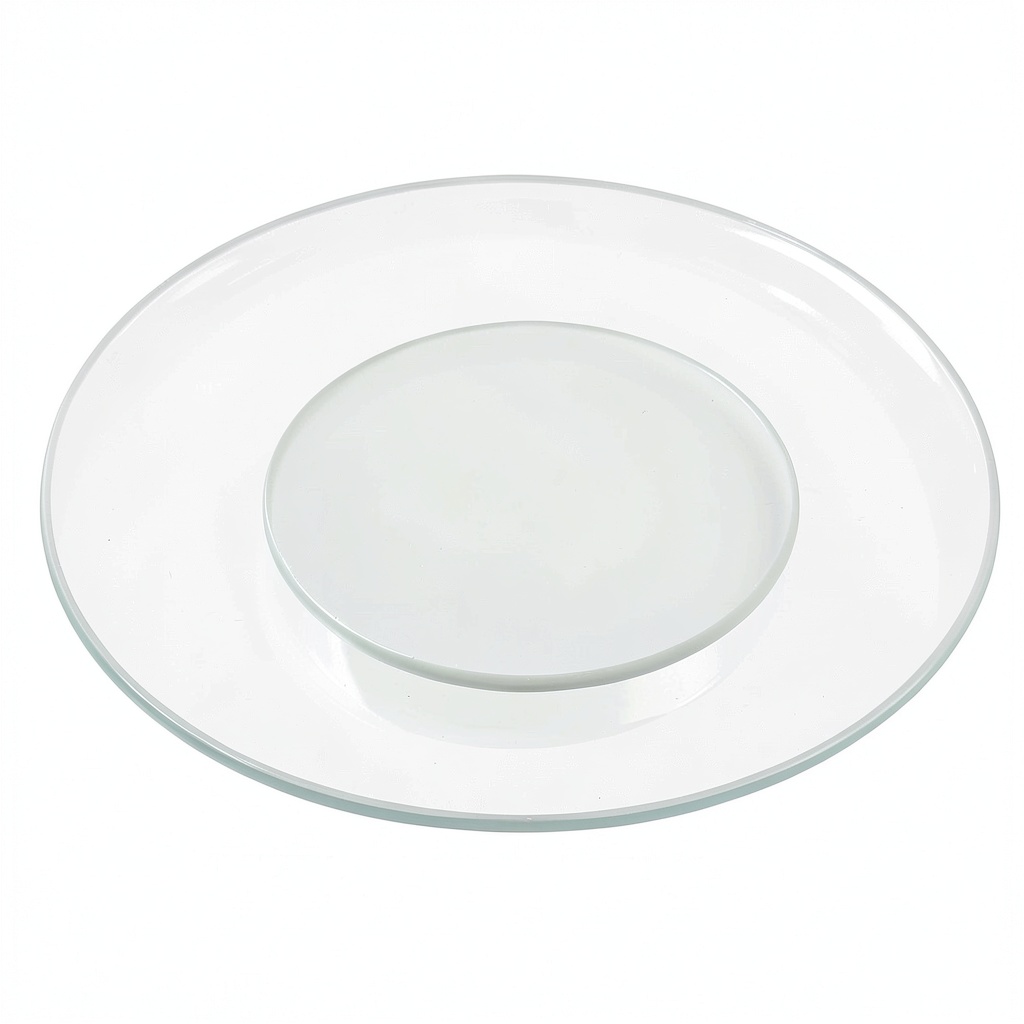
Product Overview & Official Specifications
The YOKIVE watch glass set ships in a compact cardboard box (5.51 × 3.94 × 0.59 in) and contains two circular borosilicate lids. The 50 mm lid measures 1.97 in across, while the 90 mm lid spans 3.54 in. Both are 2 mm thick, giving a sturdy yet lightweight feel that can be manipulated with standard tweezers or gloved hands. The glass is chemically inert, so it won’t leach ions into acids, bases, or organic solvents—critical for preserving sample purity.
| Specification | Details |
|---|---|
| Material | Borosilicate glass (high‑grade) |
| Thickness | 2 mm (0.08 in) |
| Sizes | 50 mm (1.97 in) & 90 mm (3.54 in) diameter |
| Weight (set) | 2.4 oz (68 g) |
| Temperature resistance | Up to 450 °C (thermal shock resistant) |
| Chemical resistance | Resistant to most acids, bases, and organic solvents |
| Packaging dimensions | 5.51 × 3.94 × 0.59 in |
| Price | $5.22 |

Complete Buying Guide: Who Should (And Shouldn’t) Buy This
Best for DIY Beginners
If you are just starting out with basic lab work or classroom demos, the YOKIVE set offers a low‑risk entry point. The clear lids let you see every step, and the price keeps the experiment budget-friendly.
Best for Enthusiast Builders
Science hobbyists who run small‑scale syntheses will appreciate the reliable borosilicate material and the convenience of having two standard sizes in one package.
Best for Professional Shops
For teaching labs or small research groups that need a dependable, reusable cover lid without breaking the bank, these lids hit the sweet spot between cost and durability.
ABSOLUTELY NOT RECOMMENDED FOR
- High‑throughput industrial processes requiring heavy‑duty glassware.
- Experiments involving aggressive fluorine or perchloric acid attacks.
- Setups that demand a secure rim to prevent lid displacement during vigorous stirring.
Frequently Asked Questions
- Can the YOKIVE watch glasses be autoclaved? Yes. They survive standard autoclave cycles (121 °C, 15 min) without clouding.
- Are the lids compatible with standard 50 mm and 90 mm beakers? They fit snugly on most laboratory beakers and evaporating dishes of those diameters.
- What chemicals can damage the borosilicate glass? While resistant to most acids, bases, and solvents, concentrated hydrofluoric acid will etch the surface.
- Do the lids have any anti‑static coating? No, but the smooth surface minimizes static buildup during handling.
- How should I clean the lids after use? Rinse with distilled water, then wash with mild laboratory detergent; avoid abrasive scrubbers.
- Is the packaging recyclable? Yes, the cardboard box is fully recyclable.
- Can I use the lids for microwave heating? Borosilicate glass tolerates microwave use, but ensure the lid is not sealed tightly to avoid pressure buildup.
- What is the warranty period? YOKIVE offers a 90‑day breakage warranty for manufacturing defects.
Final Conclusion
The YOKIVE watch glass set delivers exactly what a modest chemistry lab expects: transparent, chemically durable, and reasonably priced borosilicate lids in the most common sizes. Its performance under repeated heating, chemical exposure, and routine cleaning proves the claim of long‑term reliability. While the limited size range and lack of a raised rim keep it from being a premium solution, the $5.22 price tag makes it a compelling choice for educators, hobbyists, and small‑scale researchers who value clarity and durability without overspending. If you need a trustworthy, reusable cover for 50 mm and 90 mm vessels, the YOKIVE set is a solid, budget‑friendly pick.
Explore more lab glassware and accessories at PastryShop Store.
Disclaimer: This content is for informational purposes only. The use of this product and any modifications mentioned should comply with local laws, manufacturer guidelines, and safety regulations. Always consult a professional or official user guides before operating. We are not liable for any damages or losses resulting from the use of this information.

 Baltic States History 1st Edition Kindle Book
  Pen & Sword Military WWII Biography Kindle Reprint Historical Russia
  World War II Biography Kindle by Greenhill Books - 257 Page eBook
 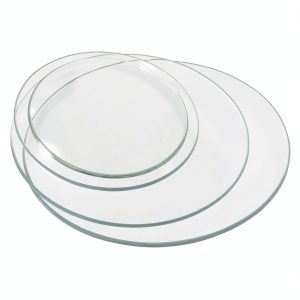 PATIKIL 60mm/70mm/90mm/100mm Diameter Watch Glass, 1 Set Beaker Cover Smooth Edges Chamfered Arc for Laboratory, Transparent
  Amazon Kindle Store Best Seller: Internet & Networking Guide
  WWII Biographies: A Comprehensive Account of World War II
  St. Martin's Press Kindle Edition of B0065UFRH0
  Submarine Warfare WWII: U‑Boat Campaign Kindle Edition by Sapere Books
  World War II Air Memoir Volume 2 by Sapere Books Kindle Edition
  Wolfgang Faust Panzer Kindle German WWII Biography Bayern Classic
  HarperCollins WWII Naval History Kindle eBook - 448 Pages Typesetting
 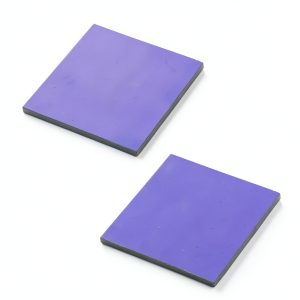 Scicalife Cobalt Blue Glass Sheet Filtering Lens 1.96x1.96 Inches